About Borewell Casing Pipes
API casing pipe suppliers are companies that manufacture stock or distribute steel casing pipes made according to standards set by the American Petroleum Institute API especially API 5CT
What is an API casing pipe
An API casing pipe is a steel pipe used in oil and gas wells to
Support the well structure
Prevent collapse of the borehole
Isolate underground formations like oil gas and water
These pipes must meet strict standards like API 5CT for strength durability and safety
Who are API casing pipe suppliers
API casing pipe suppliers are businesses that
Manufacture pipes direct producers
Stock and distribute pipes from manufacturers
Provide custom sizes threading and coatings
Examples of major suppliers
Tenaris
Vallourec
Jindal SAW Ltd
Nippon Steel
What do suppliers typically offer
API grades like J55 K55 N80 L80 P110
Different diameters and wall thicknesses
Threading types BTC LTC premium connections
Surface treatments coating anti corrosion
Testing and certification API compliance
Where they are used
Oil drilling rigs
Natural gas wells
Offshore platforms
Petrochemical industries
Sample description
API casing pipe suppliers provide high quality steel casing pipes manufactured in compliance with API 5CT standards These pipes are designed for oil and gas well construction offering excellent strength corrosion resistance and durability Suppliers offer a wide range of grades sizes and threading options to meet industry requirements
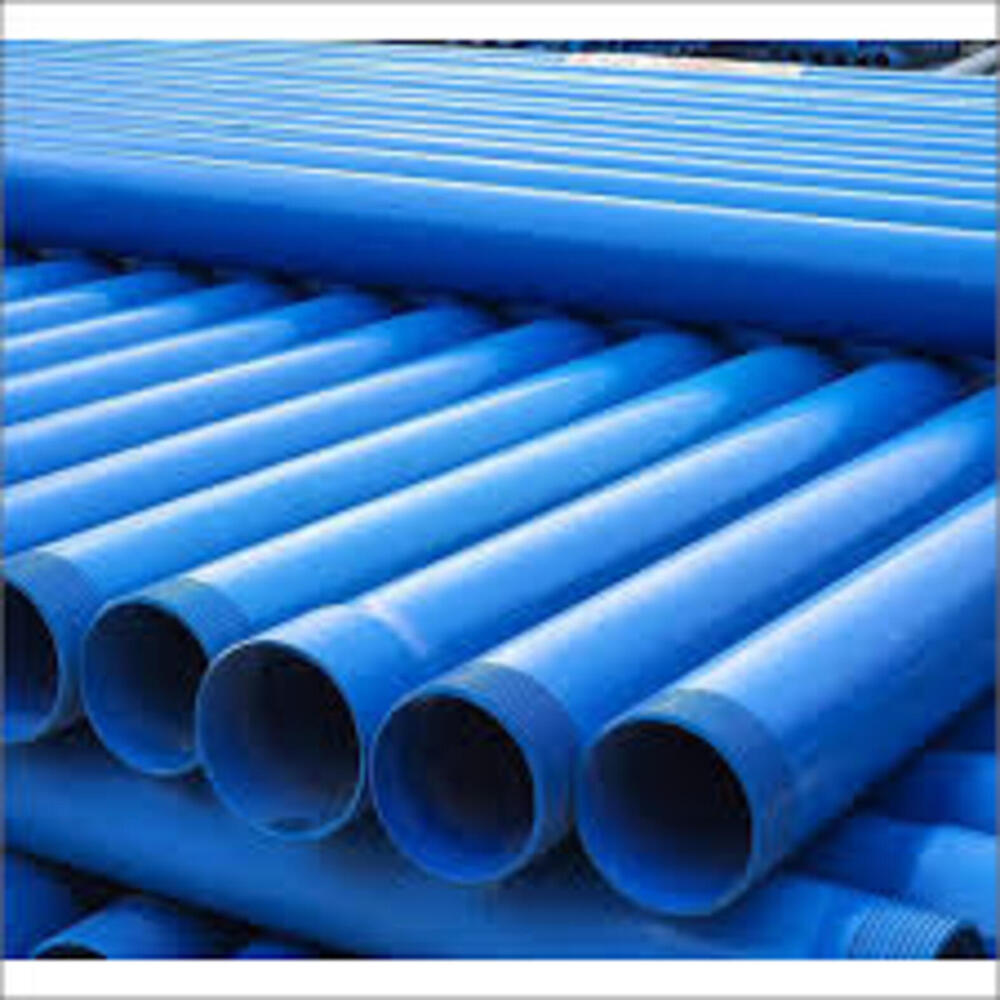
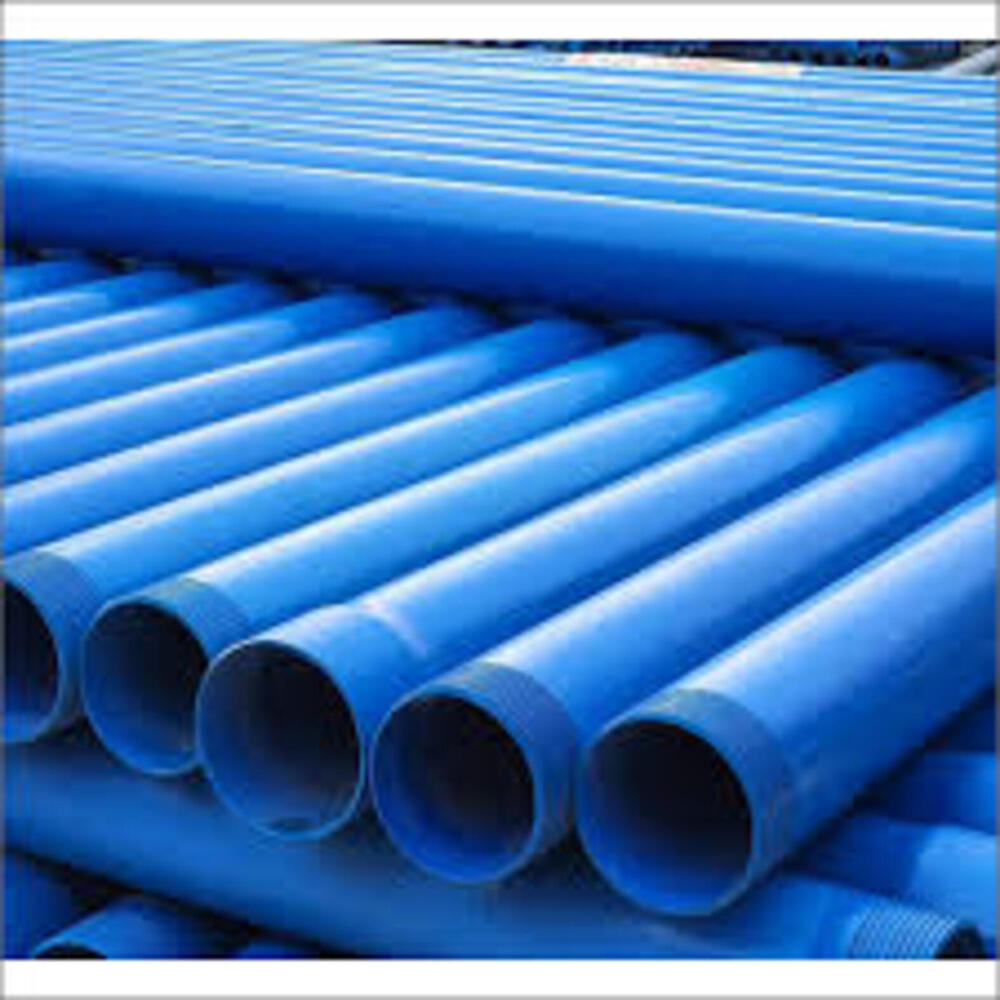
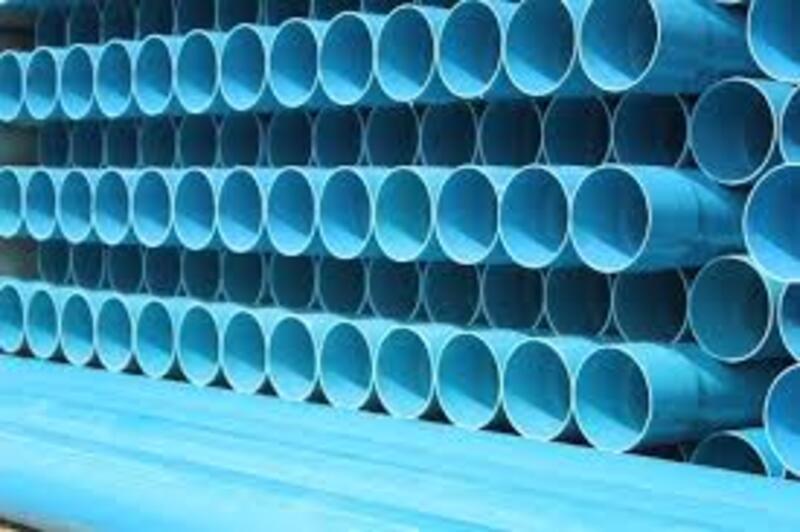
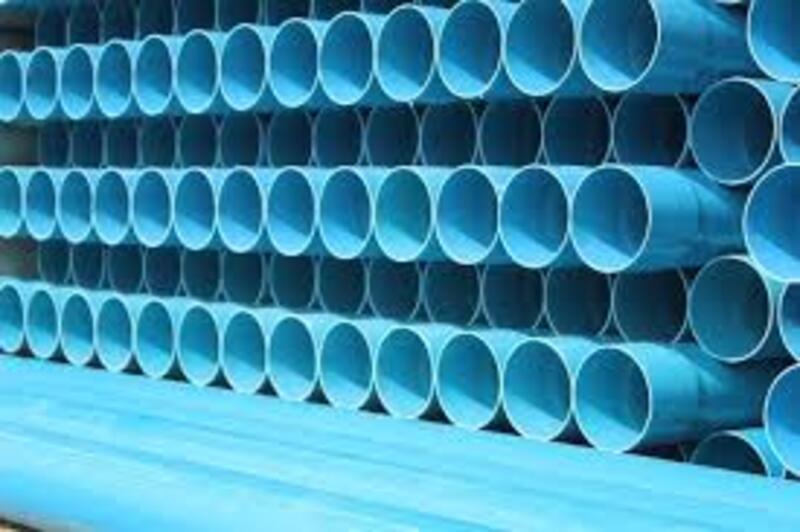
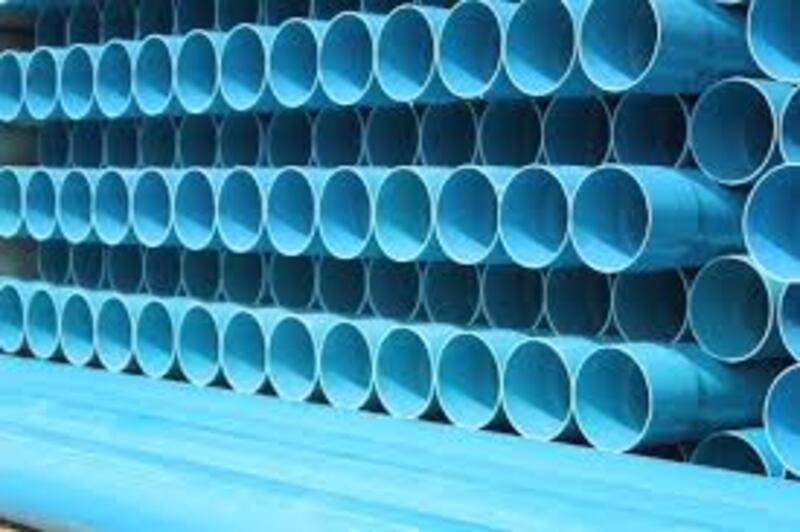
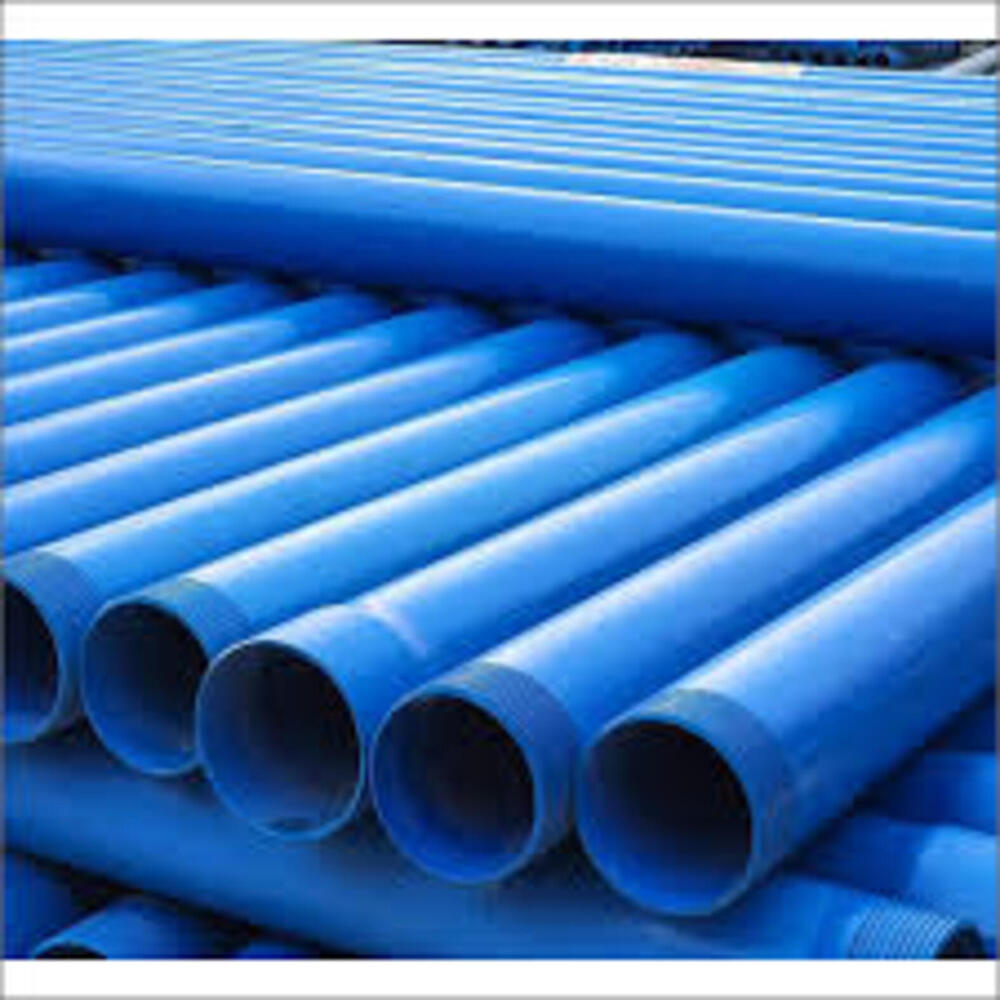
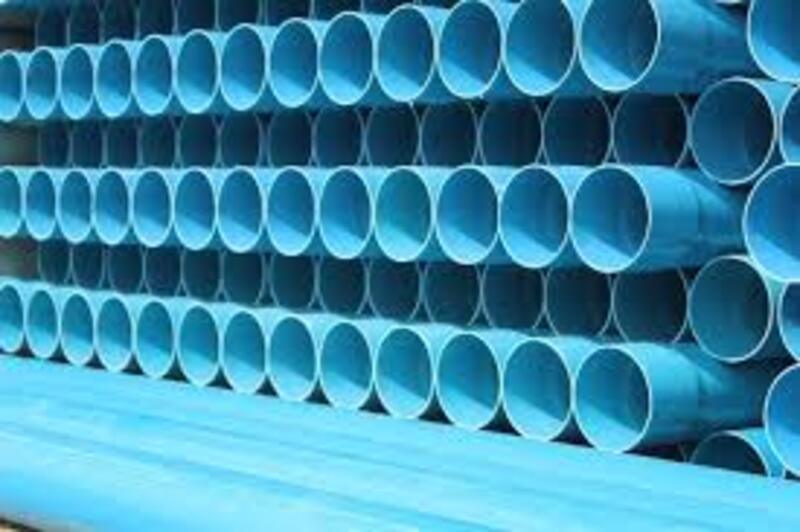
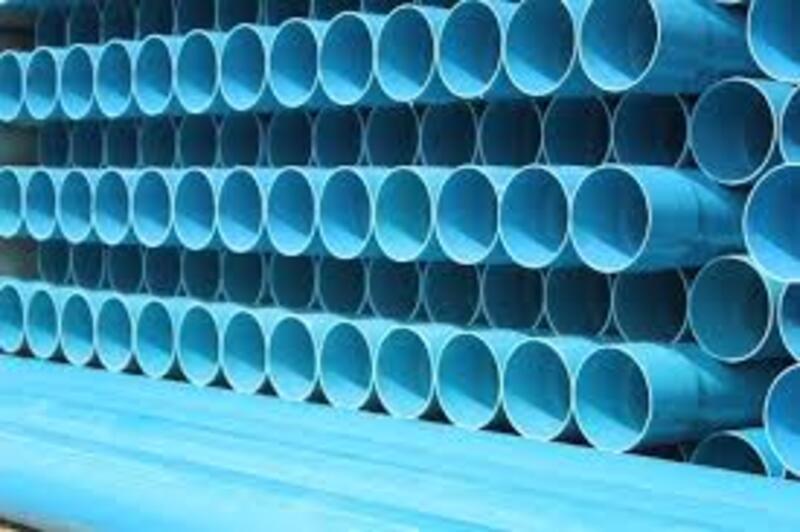
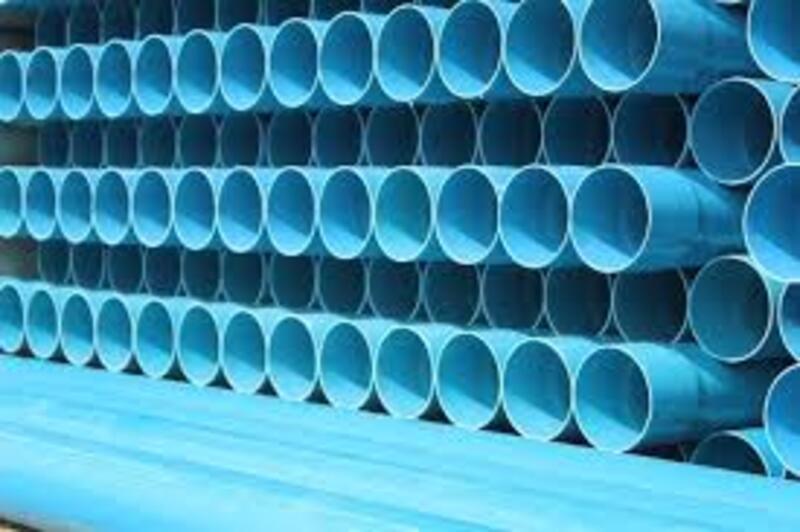
Innovative uPVC CraftsmanshipManufactured using high-grade unplasticized polyvinyl chloride, our pipes offer exceptional strength and safety. The uPVC material ensures resistance to corrosion and chemicals, making them suitable for long-term borewell and water supply systems, even in aggressive soil or water conditions.
Flexible Installation & ApplicationSuitable for both vertical and horizontal installations, these pipes accommodate various borewell designs. Their adaptability extends from deep and shallow bore construction to tube wells and groundwater extraction, providing seamless integration into diverse water supply projects.
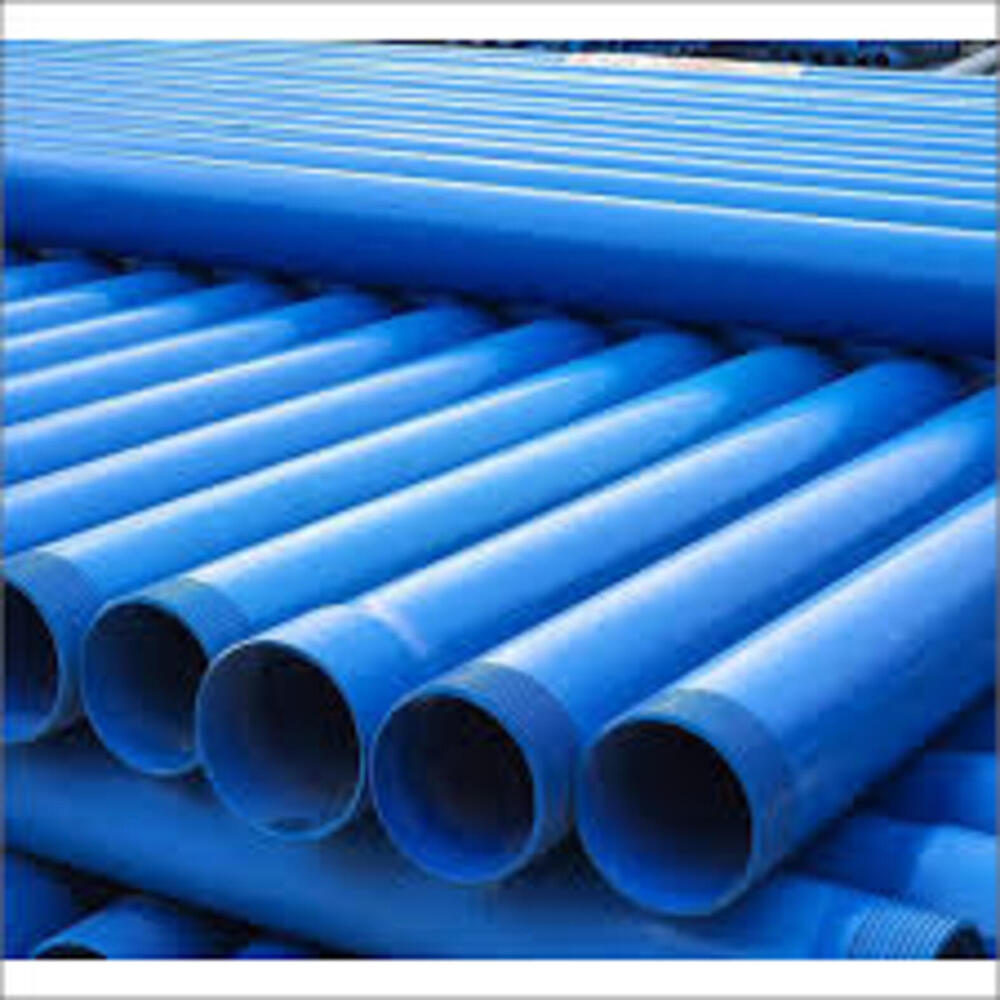
Quality Standards & ProtectionComplying with IS 12818:2010 standards, our casing pipes undergo stringent quality checks. With threaded connections, end cap protection, and a range of adapters, they guarantee leak-proof assembly and long-lasting performance, while meeting all regulatory requirements.
FAQ's of Borewell Casing Pipes:
Q: How do I choose the appropriate pressure rating for my borewell casing pipe?
A: The selection of pressure rating (2.5, 4, or 6 kg/cm2) depends on the depth of your borewell and the expected static and dynamic water pressure. For deeper wells or higher-pressure applications, a higher pressure rating is recommended to ensure structural integrity and long-term reliability.
Q: What are the main benefits of using uPVC casing pipes in borewell installations?
A: uPVC casing pipes provide superior resistance to corrosion and chemicals, ensuring long service life and minimal maintenance. Their UV stability makes them suitable for various environmental conditions, and the threaded joints offer secure, leak-proof connections.
Q: When should slotted pipes be used instead of plain pipes?
A: Slotted pipes are ideal for areas where groundwater needs to enter the pipe, such as in aquifer zones, while plain pipes are generally used for lining the non-water-bearing strata. The choice depends on the borewell design and groundwater extraction requirements.
Q: Where can these casing pipes be installed?
A: These pipes are suitable for use in borewells, tube wells, and groundwater extraction systems across varied geographies. They support both vertical and horizontal installations, providing flexibility for diverse project layouts.
Q: What is the process for assembling and connecting these pipes?
A: Assembly involves aligning the male-female threaded ends and securing them with the coupler provided. End caps are fitted to protect the pipe during installation and transport. Adapters can be supplied as required for specific connections or system integrations.
Q: How does the pipe's high chemical resistance benefit its usage?
A: High chemical resistance ensures that the pipes can withstand harsh water conditions, contaminated soil, or chemical-laden groundwater without degradation, thereby safeguarding water quality and prolonging pipeline lifespan.
Q: What adapter options are available for different installation needs?
A: Adapters are available upon request to accommodate varied installation requirements, ensuring compatibility with pumps, fittings, and additional piping systems. This makes the product versatile for specific site conditions and project needs.









 Send Inquiry


 Send Inquiry
