Submersible pipes are specially designed pipes used in submersible pump systems to carry water from underground sources like borewells or wells to the surface. These pipes must handle high pressure constant water exposure and pump vibration.
Types of Submersible Pipes
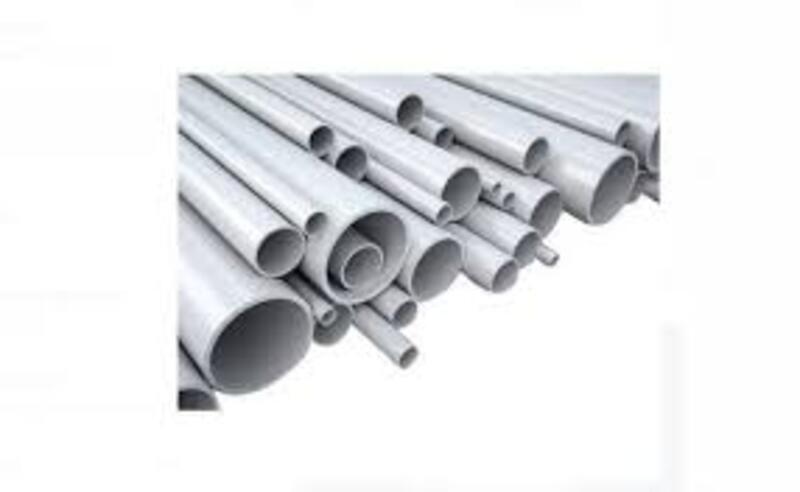
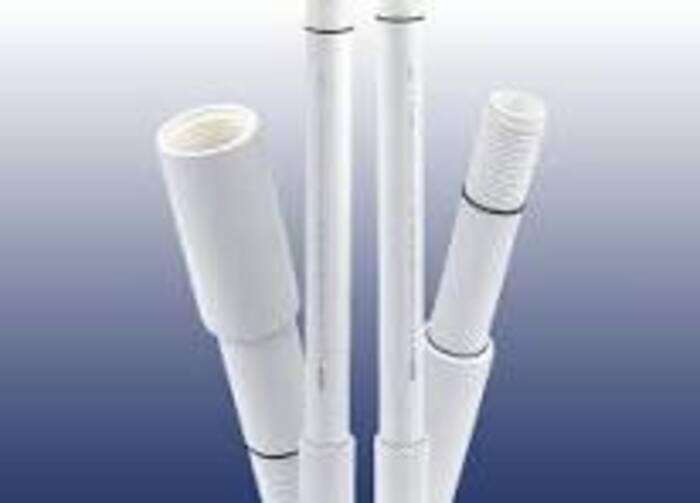
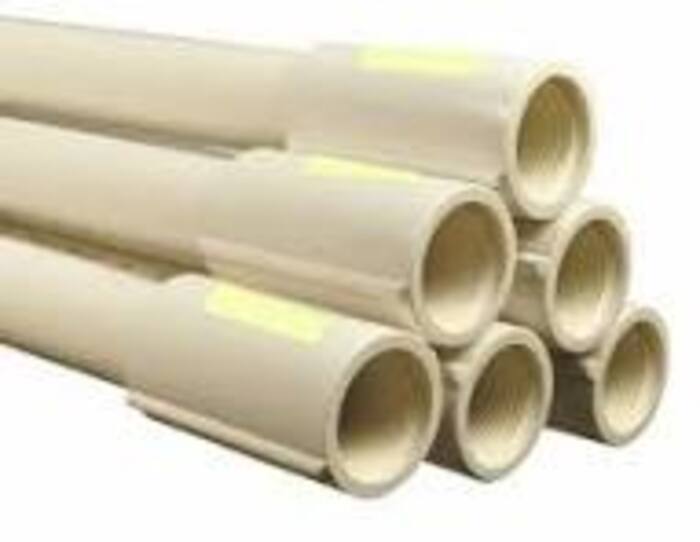
1 uPVC Column Pipes
Made from unplasticized polyvinyl chloride
Lightweight and corrosion resistant
Easy to install and maintain
Common for domestic and agricultural borewells
Pros
No rusting or scaling
Long lifespan
Cost effective
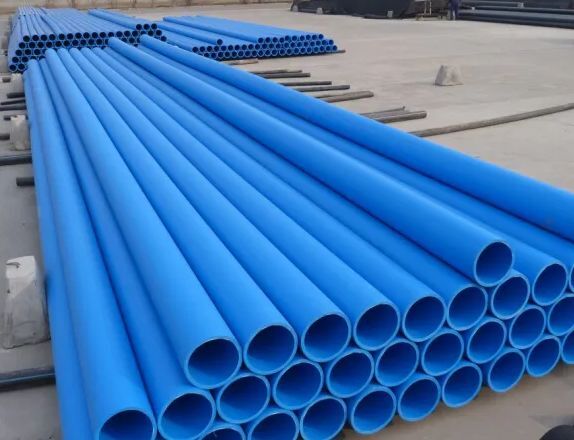
2 HDPE Pipes
Made from high density polyethylene
Flexible and strong
Suitable for deeper borewells and uneven terrain
Pros
High impact resistance
Leak proof joints using heat fusion
Good for high pressure systems
3 MS Mild Steel or GI Pipes
Metal pipes Mild Steel or Galvanized Iron
Used in very deep wells or heavy duty applications
Pros
Extremely strong
Can handle high loads
Cons
Prone to rust especially MS
Heavier and harder to install
4 Stainless Steel Pipes
Premium option
Used in industrial or corrosive environments
Pros
Excellent corrosion resistance
Very durable
Cons
Expensive
Key Features of Submersible Pipes
High tensile strength supports pump weight
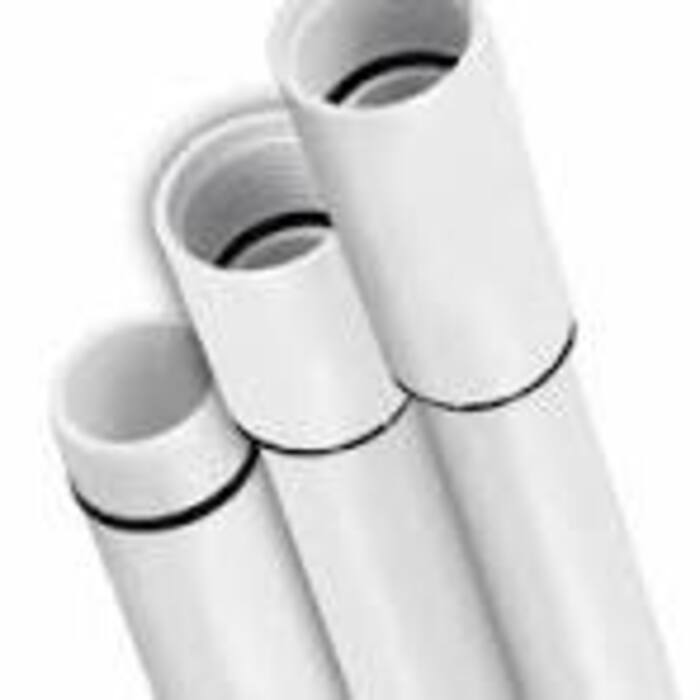
Threaded or coupled joints ensure tight connections
Corrosion resistance essential for underground use
Pressure rating varies depending on depth and pump capacity
Common Sizes
Diameter 1 inch to 4 inches 25 mm to 100 mm
Length per pipe usually 3 meters or 6 meters
Pressure rating depends on depth for example 6 kg per cm2 10 kg per cm2
Applications
Borewell water extraction
Irrigation systems
Domestic water supply
Industrial water systems
How to Choose the Right Pipe
Consider borewell depth deeper means stronger pipe needed
Pump capacity HP
Water quality corrosive water avoid metal pipes
Budget
If you want you can tell borewell depth pump HP and budget and I can suggest the exact pipe type and size for your setup







 Send Inquiry


 Send Inquiry
